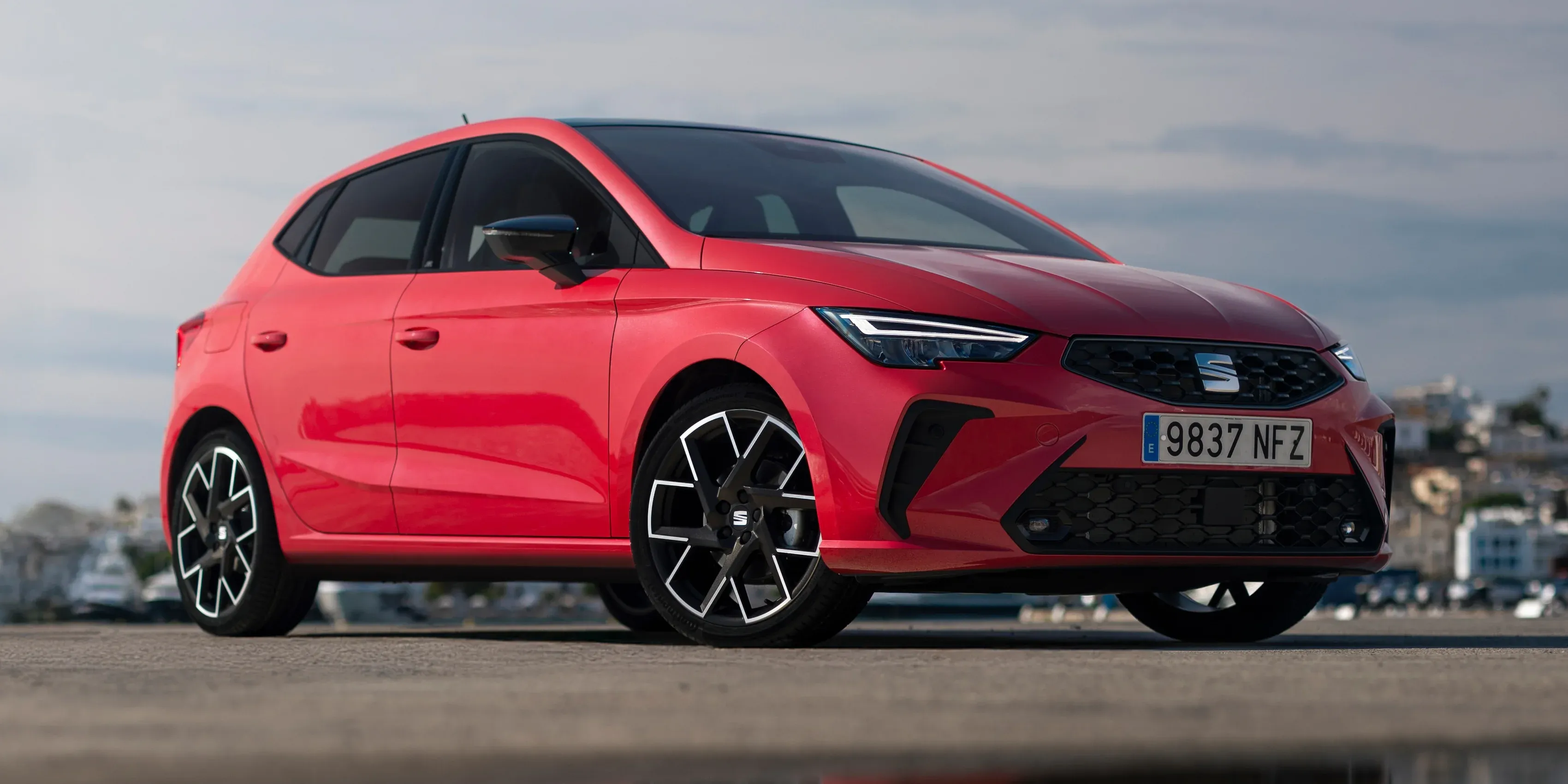

Company overview
SEAT S.A., established in 1950, began as a joint venture between Spain's government-owned Instituto Nacional de Industria and Spanish banks, with Fiat as a partner. Initially created to establish Spain’s own mass production car maker and reduce reliance on foreign imports, SEAT operated under the guidance of the Spanish state until 1986 when it was acquired by the Volkswagen Group. The company’s headquarters are located in Martorell, near Barcelona. SEAT produced over 468,000 units in 2020 and exported more than 427,000 cars to over 75 countries. The company’s origins trace back to 1940, when the ‘Banco Urquijo’ group, with support from several Spanish banks and Fiat, formed S.I.A.T. to develop a domestic car industry. Early models were luxury vehicles, and SEAT initially relied on Fiat for technical assistance and model designs. By 1967, SEAT became Spain’s largest automaker, surpassing competitors like FASA-Renault and Citroën-Hispania. A 1967 agreement with Fiat increased Fiat’s ownership stake, solidifying its role in SEAT's development and future production.